Gluten-Free Pancakes (French Crepes)
Gluten-free crepes use the same thin batter technique as French crêpes — eggs, milk, and flour — with a plain gluten-free flour blend in place of wheat. The batter is thinner than regular pancake batter, which means you tilt the pan t
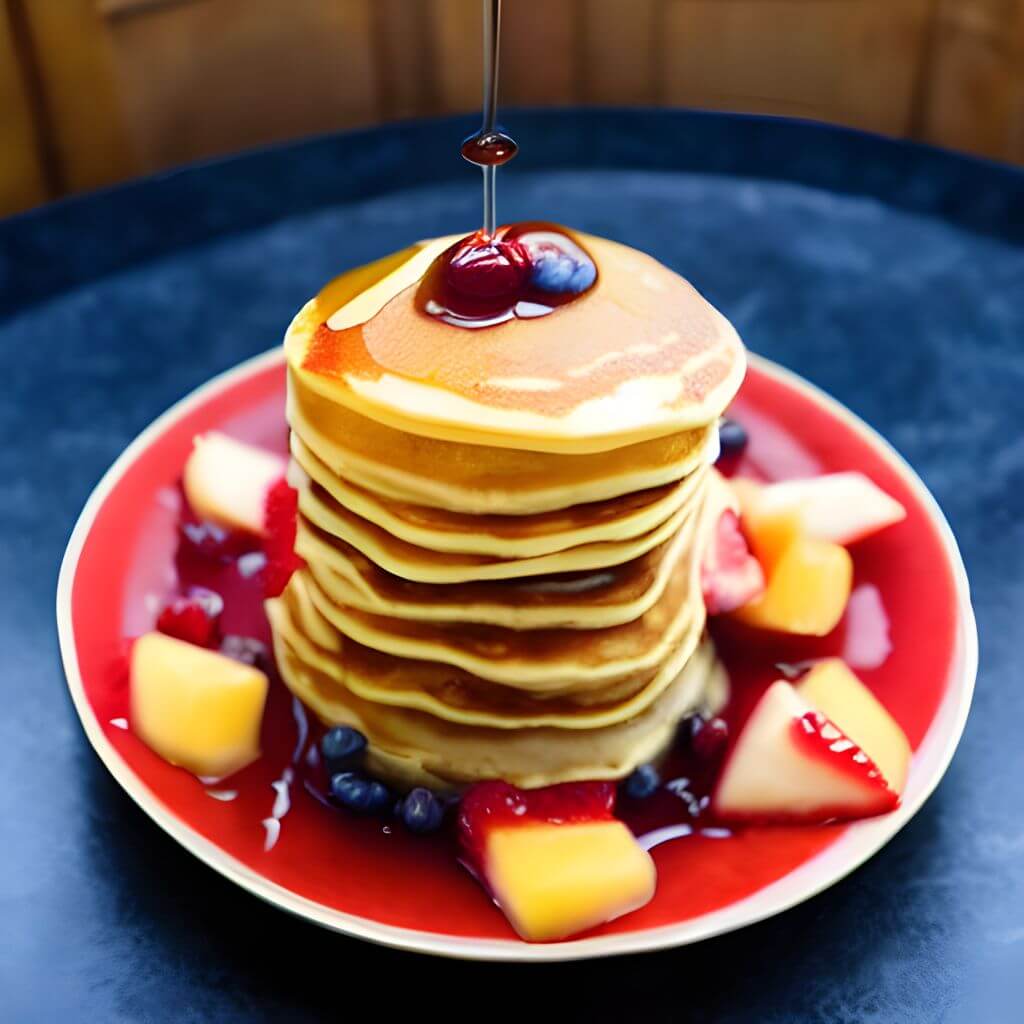
Gluten-free crepes use the same thin batter technique as French crêpes — eggs, milk, and flour — with a plain gluten-free flour blend in place of wheat. The batter is thinner than regular pancake batter, which means you tilt the pan to spread it rather than drop a scoop. They’re flexible, cook quickly, and work for sweet or savoury fillings.
This recipe makes 4 servings and takes about 30 minutes. The batter mixes in about 5 minutes; the rest is cooking time. Plan on the first crêpe being a test run — that’s normal, and by crepe two you’ll have the heat and tilt sorted.
Recipe
Gluten Free Pancakes Recipe (French Crepes Recipe)
This is my gluten-free crepe recipe, and it tastes delicious. It's one of my go-to recipes when I'm craving something sweet and light. But it's good for savory options too.
Ingredients
- 2 eggs
- 2 cup gluten free flour
- 2 cup milk (optional: ½ water ½ milk)
- 1 tsp salt (skip if you want to eat sweet)
- 1 tsp oil (or equivalent butter)
Method
- To make the pancakes, whisk together the flour, milk, and water until there are no lumps.
- Whisk in the eggs a little more. Make a batter that is more runny than cake batter.
- In a pan, spread 1 teaspoon of butter or oil with a brush.
- Spread 1 scoop of pancake batter into the hot pan by tilting it left and right.
- Cook until lightly browned on both sides over medium heat. Our crepe recipe is complete. Good luck.
- Repeat this procedure until your mixture is complete.
- Our gluten-free crepe recipe is complete. Bon Appetite!
Nutrition (per serving)283 kcal· 1 serving
Estimated. Numbers come from the original recipe and may not be exact.
Why This Recipe Works
The thin batter is the key difference between a crêpe and a thick pancake. At a 1:1 ratio of flour to milk, the batter is pourable and spreads to the edges of the pan when you tilt it. Gluten-free flour works here because crêpes don’t rely on gluten development for structure — it’s the eggs that hold everything together.
The small amount of oil or butter in the batter, plus brushing the pan between each crêpe, prevents sticking without needing a dedicated non-stick pan, though a well-seasoned pan helps.
Ingredient Notes
Gluten-free flour: A plain GF all-purpose blend. Blends with xanthan gum hold slightly better, but this recipe is forgiving either way — the eggs provide most of the structure.
Eggs: Two eggs for 4 servings. They bind the batter and give the crêpes a little richness. Don’t skip them.
Milk: Full-fat milk makes slightly richer crêpes. Using half milk and half water gives a thinner, lighter result — the classic French technique, and good for savoury fillings where you want a more neutral flavour.
Salt: 1 teaspoon for a savoury or neutral batter. Skip it (or use a pinch) if you’re making sweet crêpes — the batter doesn’t need it for structure, and sweet fillings taste better without it competing.
Oil or butter: A small amount goes into the batter itself, plus a brush on the pan before each crêpe. Butter gives better flavour; a neutral oil avoids burning at higher heat.
Tips for Perfect Crepes
Let the batter rest. Even 5–10 minutes makes a difference. The flour fully absorbs the liquid and the batter spreads more evenly. Up to 30 minutes in the fridge is ideal.
Get the pan properly hot first. Test with a small drop of batter — it should sizzle and set within a second. Too cool and the crêpe sticks before it sets; too hot and it browns before it spreads.
Tilt the pan as soon as you pour. Hold the handle and rotate in a circle to spread the batter thin. This needs to happen in the first 2–3 seconds before the batter sets. Pour a little less than you think you need.
Count the first crêpe as practice. It tests the heat level and seasons the pan. Start plating from crepe two. Every professional does this.
If the crêpe tears when you flip, it wasn’t ready. The top surface should look dry and matte, and the edges should be pulling away slightly. A thin spatula helps — slide it under the whole crêpe before flipping.
Fillings and Toppings
Sweet options pair best with a low-salt batter: fresh berries, sliced banana and honey, chocolate spread, lemon juice and caster sugar, or jam. A simple fold with butter and a drizzle of honey is the easiest breakfast version.
Savoury fillings work better with the full teaspoon of salt in the batter: melted cheese, ham and gruyère, sautéed mushrooms with thyme, or soft-scrambled egg rolled inside. Fold in quarters or roll for a neat serving.

How to Store
Cooked crêpes keep well. Let them cool completely, then stack with a sheet of baking paper between each one to prevent sticking. Wrap or bag and refrigerate for up to 3 days.
To freeze: stack with baking paper between each one and freeze flat for up to 2 months. Thaw at room temperature before reheating.
To reheat: a dry frying pan over medium heat for 30 seconds per side gives a better result than a microwave, which makes the texture rubbery.
The uncooked batter keeps in the fridge for up to 24 hours, covered. Stir briefly before using — the flour settles.
More Gluten-Free Breakfast Ideas
For more recipes in this style, browse the full gluten-free breakfast recipes collection.
If you’re interested in the technique behind gluten-free cooking — how different flour blends behave, why xanthan gum matters in some recipes but not others — the gluten-free baking section covers this in more detail.
The full gluten-free recipes collection has all 13 recipes on the site. The gluten-free banana bread is a good one to try next — it uses a similar minimal-ingredient approach and bakes ahead well for the week.
FAQ
Frequently asked questions
Why does gluten-free crepe batter look so thin?
That's correct — the batter should be pourable, almost like single cream. Crêpe batter is thinner than pancake batter by design. The thin consistency is what allows it to spread across the pan when you tilt it. If yours is very thick, add a splash more milk and stir.
Can I make gluten-free crepes dairy-free?
Yes. Replace the milk with a plant-based milk — oat milk, almond milk, or rice milk all work. Oat milk tends to give the closest texture to full-fat dairy. Use a plant-based butter or neutral oil for the pan. The crêpes will be slightly thinner with most plant milks.
What's the difference between gluten-free pancakes and gluten-free crepes?
It's mainly the batter ratio and cooking technique. Pancake batter is thicker — more flour, less liquid — and produces a taller, fluffier result. Crêpe batter is thinner and spread by tilting the pan, producing a wide, thin sheet. This recipe makes a crêpe-style result — thin, flexible, and suited to folding or rolling.
Why are my crepes sticking to the pan?
Usually the pan isn't hot enough, or it wasn't brushed with enough fat before pouring. Make sure the pan is fully hot before you start, and brush it lightly between every crêpe — not just at the beginning. A well-seasoned or dedicated crêpe pan also helps, but a regular frying pan works if the heat and fat are right.